
Social Skills for Kids
Some children find friendships natural. Others need a little help learning the unwritten rules. Both are completely normal — and with the right support, every child can build meaningful connections.
2 minutes. No commitment.
Why Social Skills Matter More Than Ever
children say they have difficulty making friends at school
American Psychological Association, 2023
of parents report their child struggles with peer relationships
Pew Research Center
more likely to experience depression later in life when social skills deficits go unaddressed
Journal of Child Psychology and Psychiatry
of employers rank interpersonal skills as the most important quality in new hires
National Association of Colleges and Employers
What Are Social Skills, and Why Do Some Kids Struggle?
Social skills are the abilities we use to communicate and interact with others — both verbally and nonverbally. For adults, many of these feel automatic. For children, they're learned behaviors that develop at different rates. Some children pick up social cues intuitively; others need explicit teaching, practice, and safe environments to experiment.
The Core Social Skills Children Need
Active listening — paying attention to what someone else is saying without interrupting. Conversation skills — knowing how to start, maintain, and gracefully end a conversation. Reading body language — understanding what facial expressions, posture, and tone of voice mean. Empathy — recognizing and responding to how others feel. Cooperation — working together toward a shared goal, including compromising. Conflict resolution — handling disagreements without aggression or withdrawal. Self-regulation — managing emotions during social situations so reactions are proportionate.
Signs Your Child May Need Social Skills Support
Difficulty joining group play or conversations already in progress. Preferring to play alone even when peers are available. Frequently being left out of birthday parties or group activities. Misreading social situations — laughing at the wrong time, standing too close, or not recognizing when someone is upset. Difficulty taking turns or sharing. Overreacting to minor social setbacks — a friend choosing a different partner feels like betrayal. Being described by teachers as "quiet" or "keeping to themselves" when the child actually wants to connect.
Common Reasons Behind Social Struggles
Temperament plays a significant role. Naturally shy or introverted children may have the social knowledge but lack the confidence to use it. Children with different learning styles may struggle with impulse control, interrupting conversations or missing subtle cues. Some children need explicit instruction in social rules that other kids absorb implicitly. Worry and nervousness can cause children to overthink every interaction, leading to avoidance. And some children simply haven't had enough opportunities for unstructured peer interaction — a growing problem in an era of screen-based entertainment and reduced free play.
“Social skills aren't personality traits — they're learned behaviors. Every child can learn to navigate social situations with confidence when given the right tools, practice, and encouragement.”
Dr. Michele Borba
Educational Psychologist and Author of UnSelfie
UnSelfie: Why Empathetic Kids Succeed in Our All-About-Me World
How Social Skills Develop at Different Ages
Understanding what's developmentally appropriate can help parents distinguish between a normal phase and a pattern that warrants support.
Ages 4-6: Learning to Play Together
At this stage, children are transitioning from parallel play (playing beside others) to cooperative play (playing with others). They're learning to share, take turns, and express basic emotions. It's normal for conflicts to be frequent and intense — children this age are still developing impulse control. Red flags include consistent inability to engage in any cooperative play, extreme aggression toward peers, or complete withdrawal from all social interaction.
Ages 7-10: Navigating Friendships
Friendships become more important and complex. Children develop "best friends," navigate group dynamics, and start to understand social hierarchies. They're learning to read more nuanced social cues, handle disagreements without adult intervention, and manage the emotional ups and downs of peer relationships. Struggles at this stage often show up as exclusion from friend groups, difficulty resolving conflicts independently, or nervousness about social situations.
Ages 11-13: The Social Intensity of Pre-Teens
Social dynamics intensify dramatically. Peer approval becomes central to self-worth. Children navigate cliques, gossip, social media dynamics, and the beginning of romantic interest. Social comparison is constant. Children who struggled earlier may find this stage especially challenging, but it's also a time when targeted support can make a dramatic difference — the brain is highly plastic during early adolescence.
Ages 14-16: Building Adult Social Skills
Teenagers are developing the social skills they'll carry into adulthood: professional communication, deeper empathy, conflict resolution in complex situations, and the ability to maintain relationships through disagreement. Teens who lack foundational social skills may isolate, rely heavily on online interactions, or develop avoidance patterns that follow them into college and careers.
Wondering Where Your Child Stands?
Our free 2-minute assessment evaluates your child's social-emotional needs and matches them with a group of kids their age who face similar challenges.
2 minutes. No commitment.
How tapouts Builds Social Skills That Last
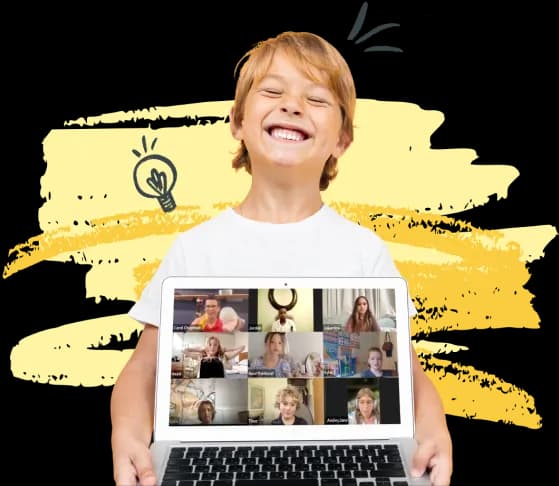
tapouts creates the perfect environment for social skill development: small, structured groups where children practice real interactions with peers who are working on similar challenges — guided by an expert coach who knows exactly when to step in and when to let kids figure it out.
Matched Peer Groups
Your child is placed in a group of 4-6 children matched by age and challenge area. They're not the only one learning — everyone in the group is building skills together. This removes the pressure of being "the different one" and creates a judgment-free practice space.
Real Practice, Not Worksheets
Children don't learn social skills from lectures or handouts. They learn by doing. Every tapouts session includes interactive activities — cooperative games, role-playing scenarios, group challenges — that give children dozens of opportunities to practice communication, empathy, and collaboration in a single 30-minute session.
Expert Coaching in Real Time
Our coaches have 20+ years of experience in child development. They notice the moments that matter — when a child interrupts without realizing it, misses a social cue, or successfully navigates a tough interaction. They provide gentle, specific feedback in the moment, not after the fact.
Confidence Through Consistency
The same coach, the same group, the same time every week. This predictability creates emotional safety — the foundation children need to take social risks. Over time, the group becomes a trusted practice space where it's safe to fail, try again, and celebrate progress.
Skills That Transfer Beyond the Screen
Parents consistently report that skills learned in tapouts sessions show up in real life: at school, on the playground, at family gatherings. Children start initiating conversations, handling disagreements calmly, and expressing their needs with confidence.
tapouts vs. Other Social Skills Programs
| Other Programs | tapouts | |
|---|---|---|
| Group size | 15-30 kids in a classroom setting | 4-6 kids matched by age and need |
| Instructor ratio | 1 teacher per 15-30 students | 1 expert coach per 4-6 children |
| Approach | Curriculum-based, often worksheet-driven | Interactive, game-based skill practice |
| Personalization | One-size-fits-all lessons | Coaching adapted to each child's needs |
| Peer matching | Random classroom grouping | Matched by age and challenge area |
| Cost | $200-500+ for multi-week programs | $37/week with free first session |
| Convenience | In-person, fixed location and schedule | Online, accessible from anywhere |
What the Research Says
Children who participate in structured social skills groups show significant improvements in peer relationships, with effects maintained at 6-month follow-up.
Laugeson, E. A. et al. (2012). Journal of Autism and Developmental Disorders
Social-Emotional Learning programs improve social behaviors, reduce conduct problems, and increase academic performance by an average of 11 percentile points.
Durlak, J. A. et al. (2011). Child Development, 82(1), 405-432
Peer-mediated interventions are more effective than adult-only instruction for developing lasting social skills in children.
Watkins, L. et al. (2015). Journal of Autism and Developmental Disorders
Children with strong social-emotional skills are 54% more likely to earn a high school diploma and 46% more likely to have full-time employment by age 25.
Jones, D. E. et al. (2015). American Journal of Public Health
What Parents Can Do at Home
Building social skills is a partnership between structured learning and everyday life. Here are ways to reinforce your child's growth outside of coaching sessions.
Create Low-Pressure Social Opportunities
Arrange one-on-one playdates rather than large group gatherings — they're less overwhelming and let your child practice skills in a manageable setting. Choose activities with a built-in structure (board games, cooking together, building projects) so there's less pressure to carry a conversation.
Coach, Don't Solve
When your child describes a social problem, resist the urge to fix it. Instead, ask: "What do you think you could try?" Help them brainstorm options and predict outcomes. This builds the problem-solving skills they need to navigate social situations independently.
Narrate Social Situations
Point out social dynamics in everyday life: "Did you notice how that person held the door? That's a way of being thoughtful." or "Your friend looked sad when you walked away. What do you think she was feeling?" This builds social awareness without direct criticism.
Celebrate Effort, Not Perfection
Social skills development is messy and nonlinear. Celebrate when your child tries something brave — even if it doesn't go perfectly. "I noticed you went up and introduced yourself to that kid at the park. That took courage." Focusing on effort builds the confidence to keep trying.
Help Your Child Build Friendships That Last
tapouts gives children a safe space to practice real social skills with peers their age — guided by expert coaches who know how to bring out the best in every child. First session is free.
2 minutes. No commitment.
What Parents Are Saying
She finally has a best friend
“My daughter always wanted friends but didn't know how to connect. After three months with tapouts, she's not only making friends at school — she has a best friend for the first time. The change has been incredible.”

Jennifer M.
Parent of 8-year-old • 4 months with tapouts
He went from loner to leader
“My son used to eat lunch alone every day. His tapouts coach helped him practice conversation starters and joining group activities. Last week, his teacher told me he organized a game at recess. I almost cried.”

David R.
Parent of 11-year-old • 5 months with tapouts
The birthday party invitations started coming
“Before tapouts, my 6-year-old was never invited to birthday parties. Within two months of coaching, she learned how to share, take turns, and express herself. Now she gets invited to everything. The difference is night and day.”

Amanda L.
Parent of 6-year-old • 3 months with tapouts
FAQs
tapouts serves children ages 4 to 16. Groups are carefully matched by age so your child is always with peers at a similar developmental stage. Age groups include 4-6, 7-10, 11-13, and 14-16.
This is one of our most common questions — and where tapouts truly shines. Our coaches are experts at creating a safe, welcoming environment. Groups start with low-pressure activities and gradually build participation. With only 4-6 children per group, there's no hiding in the back of the room, but there's also no spotlight pressure. Most shy children feel comfortable by the second or third session.
School programs typically involve large groups (15-30 students) with a curriculum-based approach. tapouts offers small groups (4-6 children) led by coaches with 20+ years of experience, using interactive game-based activities rather than worksheets. The small group size means your child gets personalized attention and meaningful practice opportunities every session.
Online sessions are surprisingly effective for social skill development. Children practice the core skills — listening, turn-taking, reading facial expressions, expressing themselves clearly — in every session. Parents consistently report that skills learned in tapouts transfer directly to school, playdates, and family situations. The online format also removes barriers like commute time and geographic limitations.
Most parents notice changes within 4-6 weeks: their child initiating conversations more, handling disagreements better, or showing more willingness to join group activities. Deeper changes — sustained friendships, social confidence in new environments — typically develop over 2-3 months of consistent sessions.
tapouts is $37 per week, billed as $149 every four weeks. Your first session is completely free with no obligation to continue. Compared to in-person social skills groups ($200-500+ for multi-week programs), tapouts offers ongoing expert coaching at a fraction of the cost.
Yes. Many tapouts families include neurodiverse children and children with different learning styles and needs. Our coaches are trained to adapt their approach for diverse learners. The small group size ensures every child receives the individual attention they need. For children receiving additional support, tapouts serves as an excellent complement — providing structured peer practice that other settings often can't offer.
Every child deserves to feel confident
Join 20,000+ families helping their kids build emotional strength. Your child's first session is free.
2 minutes. No commitment.